The Digital Service Strength Tester
An old carnival strength tester, turned into a touchscreen kiosk for Salesforce at Dreamforce 2019. We built it for George P. Johnson in five weeks, from the client's artwork to a working kiosk on the show floor that collected leads.
November 2019
The setup
Salesforce had scoped an attendee activation for Dreamforce but hadn’t handed it to anyone to build. George P. Johnson, the agency that produces Dreamforce, hired my company, Vibrant Labs, to build it with Salesforce’s graphic design team.
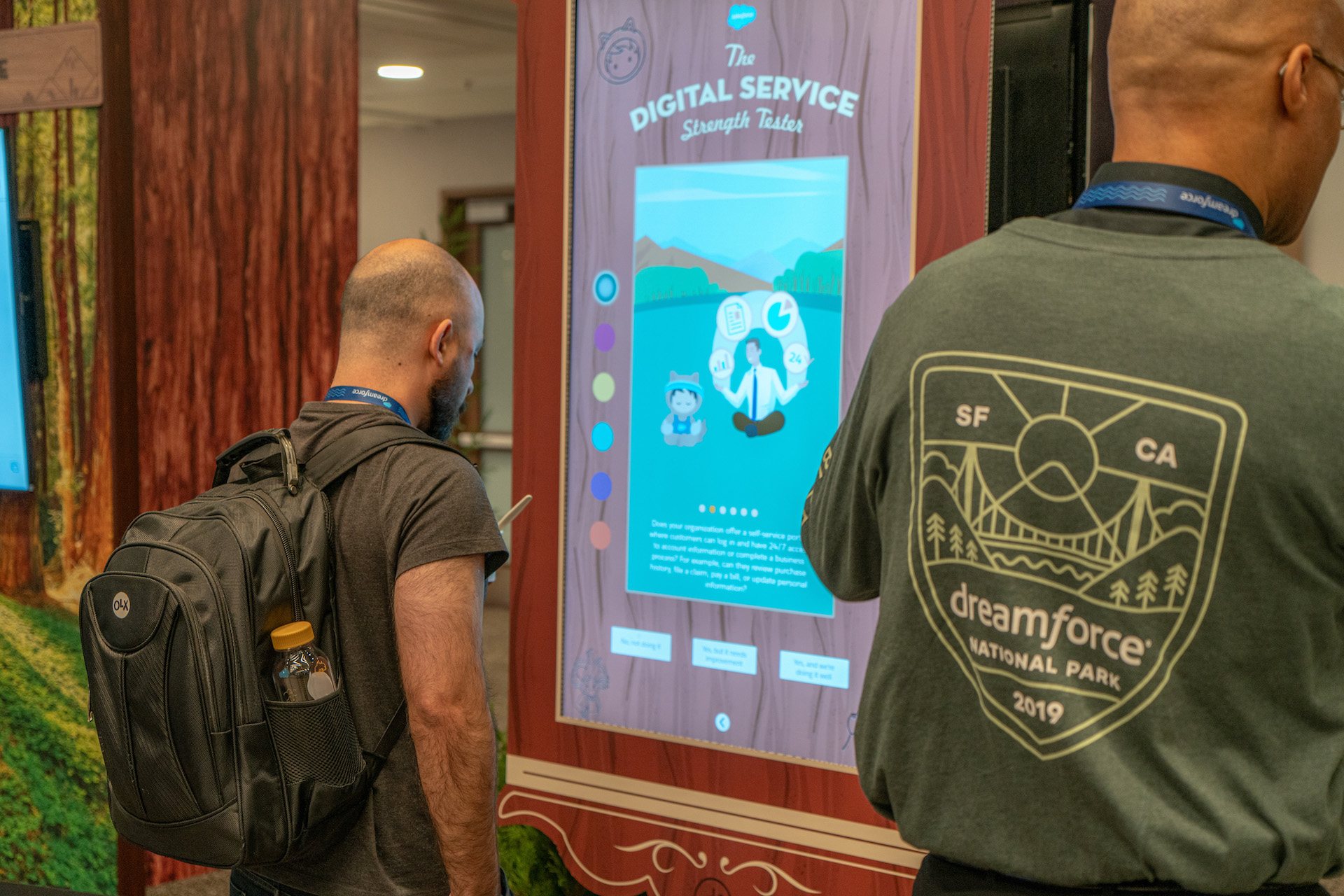
The idea came from the old arcade strength tester. Instead of measuring your grip, it measured how well your company uses Salesforce’s customer service tools. Attendees answered six questions on a large touchscreen framed like an arcade cabinet. A column of lights climbed and settled on the strength that best matched their answers. They left with a badge on their phone, a suggestion for where to improve, and a reason for Salesforce’s team to follow up.
The constraints
- A fixed show date. We had about five weeks from the first line of code to the Dreamforce floor.
- The client’s art and logic. Salesforce’s design team owned the illustrations and the rules that turned answers into a result. We had to bring both to life without changing either one.
- Three teams. The agency, Salesforce’s designers, and our team all needed to stay on the same page at each step.
- A public kiosk in a crowded hall. People walk away in the middle, stand at different heights, and mistype their phone numbers. The kiosk had to handle all of that on its own, all day.
- Every player was a lead. If a contact didn’t make it to Salesforce, the kiosk wasn’t doing its real job.
What I did
Vibrant Labs was two people. My co-founder prepared Salesforce’s artwork for animation, and I wrote the software. It was a React web app with a small Node server behind it, running full screen on each kiosk. We had regular check-ins with the Salesforce team and showed them working builds as each part came together, so their feedback came in early, while changes were still easy.
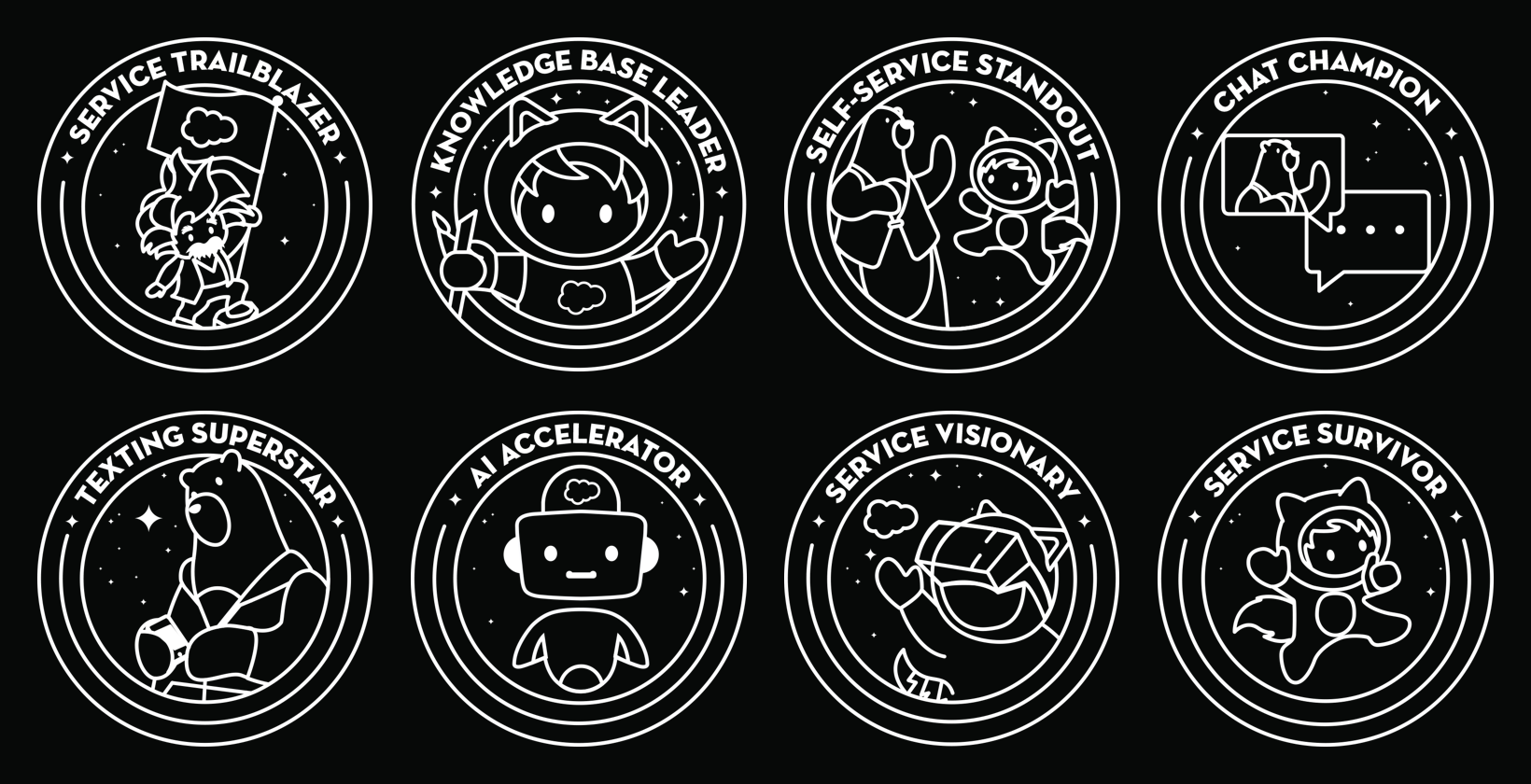
Most of the arcade feel came from animation. When nobody was playing, the lights cycled through the categories at random, hitting each one before repeating, to catch people walking by. Each question animated into the frame, and the result came in with the lights rolling up and a burst of confetti. The scoring followed Salesforce’s rules exactly. Answering “yes, and we’re doing it well” counted as a strength, and anything less counted as a gap. The badge came from the strengths and the feedback came from the gaps. There were special badges for all yes or all no.
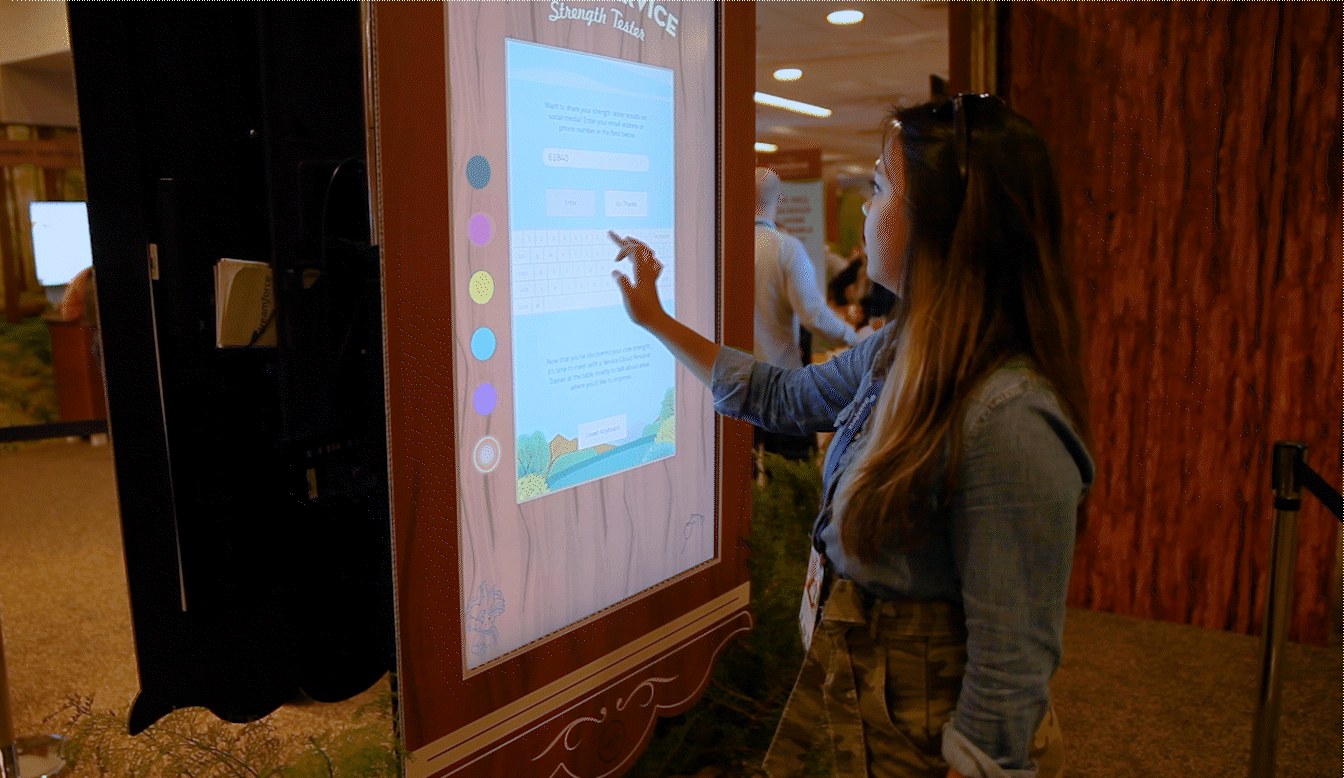
The rest of the work was making it hold up in public. If someone walked away, a timer asked “need more time?” and then reset, so the next person in line never found a half-finished game. The on-screen keyboard checked phone numbers and email addresses before accepting them. A “lower keyboard” button moved the controls down within reach of people in wheelchairs, or anyone who couldn’t reach a screen set for standing height. Each entry went straight into a Google Sheet for Salesforce’s team, and the badge went out automatically by text or email.
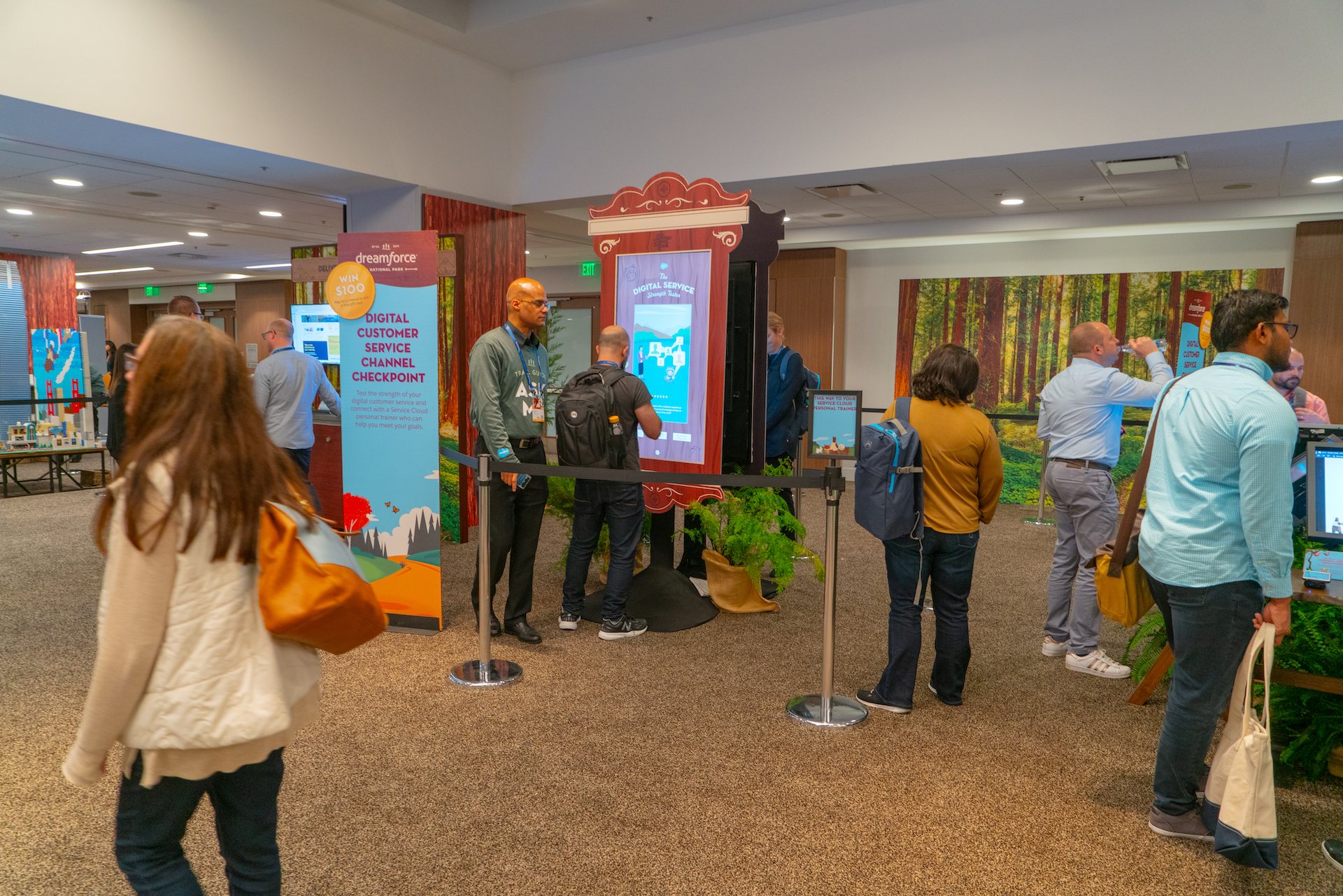
Since it was all on screen, we could run two kiosks side by side and handle twice the people when the hall got busy. In the last few days I moved the texting account over to George P. Johnson so they owned it during the show. I also switched the badges from picture messages to plain text messages, because the picture messages weren’t reliable.
The outcome
Both kiosks ran for all of Dreamforce 2019. People lined up to take the test, and their contact info went into Salesforce’s sheet as they played. It shipped on time, and the people we worked with at George P. Johnson and Salesforce were very happy with the result. You can watch the case study video.