Computer Vision in the Operating Room
I lead hardware prototyping at nSight Surgical and helped build the digital whiteboard that operating room staff use during surgery. It covers cameras, hospital rules, and software that has to work every time.
June 2024
The setup
nSight Surgical uses computer vision to make operating rooms safer and more efficient. The system tracks surgical items automatically, so nothing gets lost and nothing gets left inside a patient. I work on both sides of the product: the hardware that goes into each operating room, and the software the surgical staff actually use.
The constraints
- Hospitals have strict rules for everything. That includes how a camera is allowed to mount to the ceiling.
- The vision system is only as good as its cameras. Image quality, budget, network bandwidth, and power all pulled against each other.
- Operating rooms run on a schedule. Anything we installed had to keep working during real cases without anyone babysitting it.
What I did
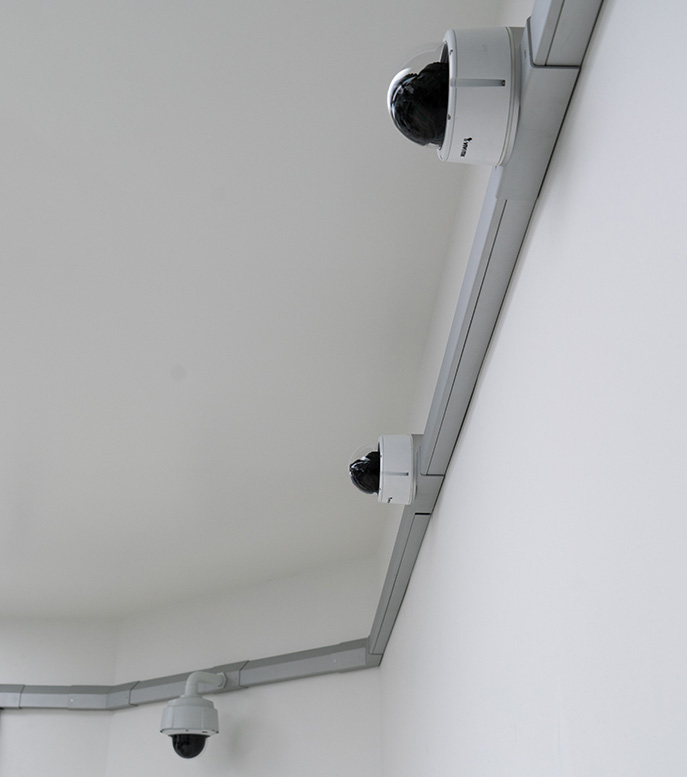
I led the design and prototyping of the hardware that goes in each room. The camera network was mine end to end. I sourced cameras that met our image requirements without blowing the budget, then ran test campaigns with the computer vision team to figure out which specs actually mattered. The system I landed on streams eight high-resolution cameras to the vision server at the same time, reliably. With the mechanical team, I developed custom mounts that hold the cameras in place and meet hospital requirements.
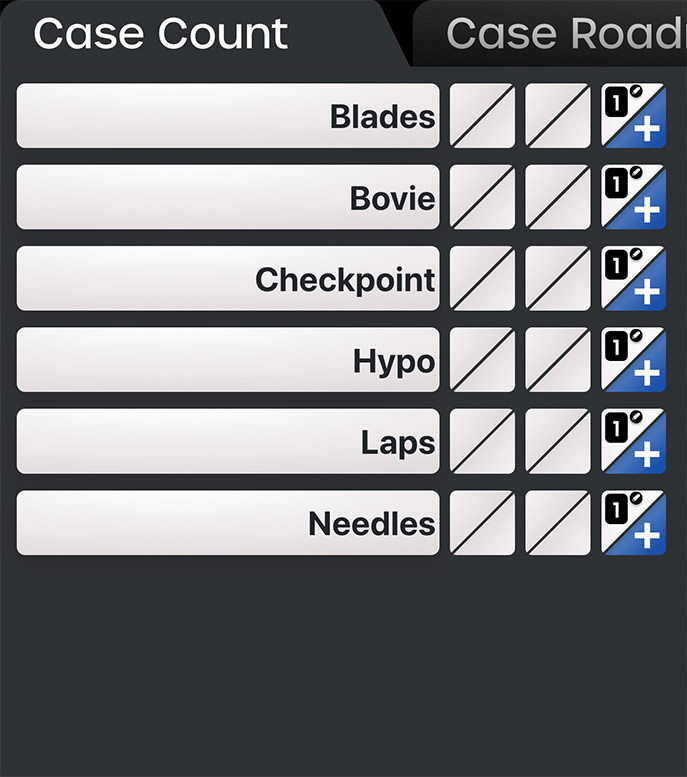
On the software side, I had a central role in building the nSight Digital Whiteboard. Most operating rooms still track counts on a handwritten whiteboard, so it depends on someone’s handwriting being legible. Ours shows manual and automatic item counts, times each phase of the surgery, and lets staff quickly go back to find a key moment or a missing item. I led a team of developers through the build and worked closely with our visual designer. A big part of my job was making sure the design survived being turned into working software.
The outcome
The platform went into real operating rooms. Staff get one clear, standardized screen instead of a handwritten board, and the camera network feeds the vision system that checks every count.